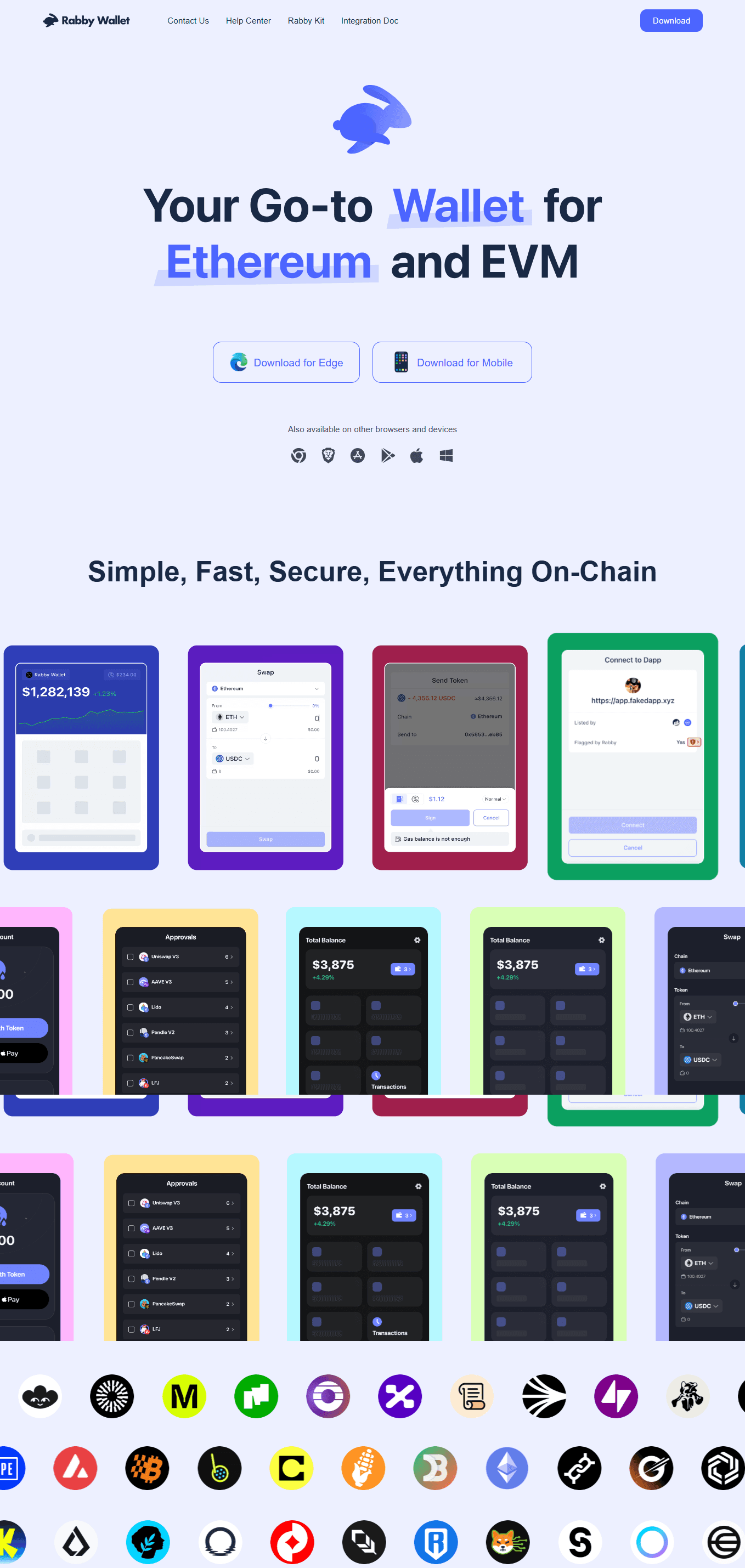
Rabby Wallet: Complete Guide to Secure Crypto Management
Rabby Wallet is a cryptocurrency wallet designed to provide users with a secure, fast, and user-friendly way to store and manage digital assets. Unlike web-based or mobile wallets that expose private keys online, Rabby Wallet ensures your crypto remains under your control. It supports multiple blockchains and tokens, making it a versatile solution for beginners and experienced crypto users alike.
This guide explains how Rabby Wallet works, why it is trusted, how to set it up, and best practices for keeping your assets safe.
What Is Rabby Wallet?
Rabby Wallet is a non-custodial crypto wallet that allows users to store, send, receive, and manage cryptocurrencies. Non-custodial means that only you control your private keys, giving you full ownership of your digital assets. It supports popular blockchains like Ethereum, Binance Smart Chain, Polygon, and more, including ERC-20 and BEP-20 tokens.
In addition to basic wallet functions, Rabby Wallet offers advanced features such as:
Multi-chain support
Custom gas fee adjustments
Token swaps within the wallet
Secure transaction signing
Integration with decentralized applications (dApps)
These features make Rabby Wallet suitable for daily crypto transactions, DeFi activity, and long-term asset management.
Why Use Rabby Wallet?
Rabby Wallet provides several advantages over traditional web wallets or exchange wallets:
1. Full Control of Private Keys
Users have complete ownership of their private keys. Unlike exchange wallets, your assets cannot be frozen or seized.
2. Multi-Chain and Token Support
Rabby Wallet supports multiple blockchains and token standards. This allows you to manage a variety of cryptocurrencies from a single wallet without needing separate applications.
3. Seamless dApp Integration
Rabby Wallet works smoothly with decentralized applications, letting you interact with DeFi protocols, NFT marketplaces, and other Web3 services without exposing your keys online.
4. Transaction Flexibility
You can customize gas fees and adjust transaction speed, giving you full control over costs and timing.
5. User-Friendly Interface
Rabby Wallet combines advanced features with a simple interface, making it suitable for both beginners and advanced crypto users.
How to Set Up Rabby Wallet
Setting up Rabby Wallet is straightforward. Follow these steps to get started:
Step 1: Install the Wallet
Rabby Wallet can be installed as a browser extension or mobile application. Ensure you download it from official sources to avoid fake versions.
Step 2: Create a New Wallet
Open the application and choose Create Wallet. You will be prompted to set a strong password and generate a recovery phrase.
Step 3: Backup Your Recovery Phrase
Your recovery phrase is the only way to restore your wallet if your device is lost or compromised. Write it down carefully on paper and store it securely offline. Never share it digitally or with anyone.
Step 4: Confirm the Backup
The wallet will ask you to confirm the recovery phrase by selecting the words in the correct order. This ensures that your backup is accurate.
Step 5: Add Tokens and Accounts
After setup, you can add multiple blockchain accounts and tokens. Rabby Wallet automatically detects assets for supported blockchains, and you can manually add custom tokens as well.
Using Rabby Wallet
Once your wallet is set up, you can start managing your crypto:
Sending and Receiving Crypto
Select the token you want to send or receive. Enter the recipient address, specify the amount, and confirm the transaction. Always double-check addresses before sending funds to avoid mistakes.
Swapping Tokens
Rabby Wallet allows you to swap tokens directly within the wallet. Transactions are signed securely, and you maintain full control of your keys throughout the process.
Interacting with dApps
You can connect Rabby Wallet to decentralized applications without exposing your private keys. This allows you to participate in DeFi, NFTs, or other Web3 services securely.
Monitoring Portfolio
Rabby Wallet displays your asset balances and transaction history in a clear, organized interface. You can track the performance of multiple tokens and blockchains simultaneously.
Security Best Practices
Rabby Wallet provides strong security features, but user practices are critical:
Never share your recovery phrase.
Verify all addresses before sending crypto.
Use strong passwords and enable device-level security.
Keep your wallet application updated.
Avoid downloading the wallet from unofficial sources.
These practices ensure your crypto remains safe from hacks, phishing attempts, and accidental loss.
Who Should Use Rabby Wallet?
Rabby Wallet is ideal for users who:
Want full control over their private keys
Manage multiple cryptocurrencies across various blockchains
Participate in DeFi protocols and NFTs
Seek a user-friendly yet secure wallet solution
Its combination of security, multi-chain support, and ease of use makes it suitable for both beginners and experienced crypto enthusiasts.
Conclusion
Rabby Wallet is a secure and versatile non-custodial wallet that offers complete control over digital assets. By following the official setup process, backing up your recovery phrase, and using recommended security practices, you can manage cryptocurrencies safely. Whether you are sending, receiving, swapping tokens, or engaging with dApps, Rabby Wallet ensures your assets remain protected and accessible whenever you need them.